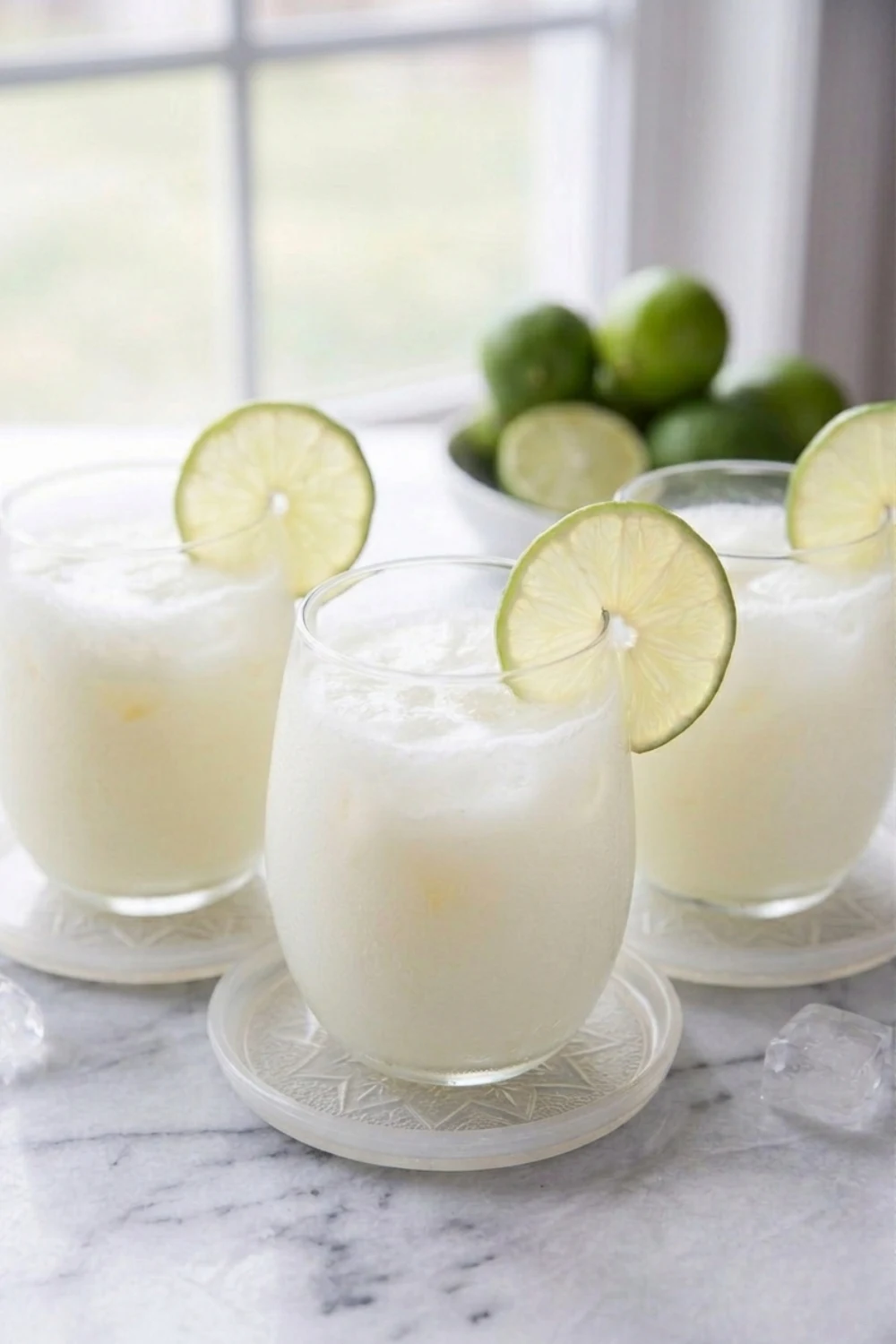
This vibrant, creamy drink blends whole limes with sweetened condensed milk to deliver a refreshing balance of sharp citrus and rich sweetness. Discover the essential technical techniques required to extract maximum oil from the lime skins without introducing a single note of bitter pith.
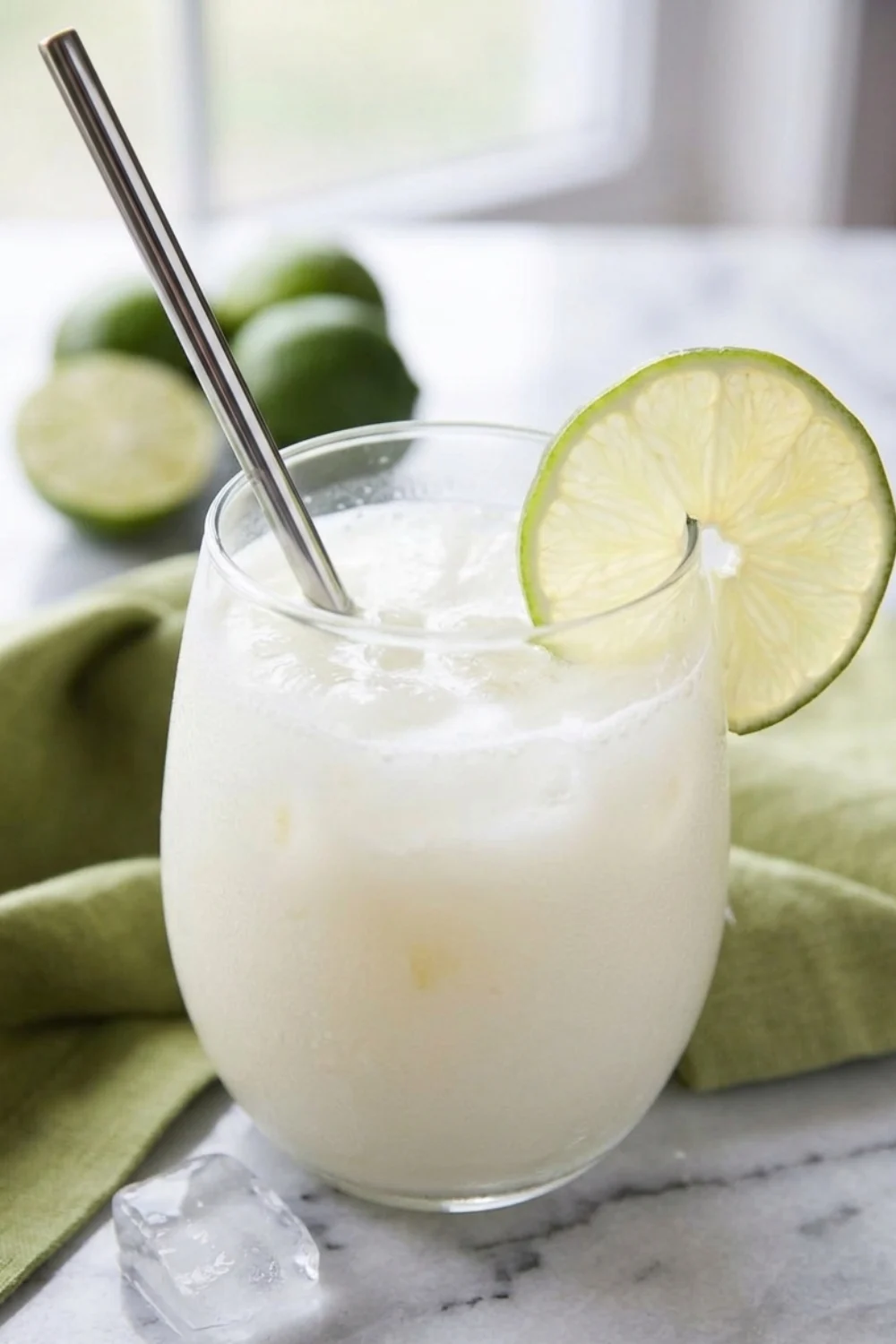
Understanding the Structural Mechanics of a Classic Brazilian Lemonade Recipe
Despite being called a lemonade, traditional Brazilian lemonade is made exclusively with fresh, juicy limes. The name is historically linked to its origin story in Brazil, where it is often referred to as Limonada Suíça.
The defining technical characteristic of a classic brazilian lemonade recipe is the inclusion of the whole fruit—peel included—which is blended directly with water before being strained and enriched. This processing method unlocks volatile flavor profiles that cannot be achieved via standard juicing extraction methods.
From a professional pastry chef and culinary perspective, mastering this traditional brazilian lemonade recipe requires close attention to the anatomy of the fruit. The skin of the citrus fruit contains an incredible concentration of aromatic oils held within tiny subcutaneous cavities called glands.
When we execute a high-speed mechanical blend for our brazilian lemonade recipe, we rupture these glands, dispersing the intensely fragrant lime oils throughout the liquid base. This process infuses the beverage with a vibrant, complex citrus profile that perfectly balances the rich sweetness of the condensed milk. Understanding how these structural components interact allows us to engineer a drink that is refreshing, beautifully rounded, and perfectly emulsified.
Ingredient Dynamics for a Creamy Brazilian Lemonade Recipe
Each ingredient in this authentic brazilian lemonade recipe serves an exact chemical and structural purpose. Altering the ratios or the temperature of these components will fundamentally change the molecular stability of the final beverage.
To achieve a smooth, velvet-like consistency that holds its body over ice, each component of this brazilian lemonade recipe must be measured carefully and added at the correct step of the process.
The sweetened condensed milk is the structural backbone of the drink. Unlike granulated sugar, which adds sweetness without modifying viscosity, condensed milk introduces concentrated milk fats and proteins to our brazilian lemonade recipe setup.
These components act as natural stabilizers that bind with the extracted lime oils, preventing them from floating to the surface of the glass. When acid from the freshly extracted lime juice meets the milk proteins, it initiates a subtle, controlled denaturation process.
This mild thickening effect builds a rich mouthfeel, creating a smooth finish that makes this brazilian lemonade recipe exceptionally satisfying to consume. This protein-lipid matrix provides a fascinating technical contrast to alternative specialty beverages like a rich biscoff cookie butter latte, which relies primarily on emulsified seed oils and caramelized wheat starches to build its physical texture and body.
Step-by-Step Technical Execution Guide
To prepare an authentic, professional-grade beverage, follow this precise step-by-step brazilian lemonade recipe guide. Care must be taken during the blending phases to avoid over-extracting the bitter elements from the lime rinds.
-
Step 1Fruit Selection and Sanitation Protocols
Select four medium, thin-skinned seedless Persian limes. Thin-skinned limes are critical because they possess a thinner layer of white pith, drastically reducing the risk of bitterness in your final drink.
Scrub each lime thoroughly under cold water using a clean vegetable brush to eliminate organic residues, wild yeasts, or protective wax coatings applied during shipping. Dry the fruit completely before processing.
-
Step 2Precision Slicing and Pith Reduction
Place the sanitized limes onto a clean cutting board. Using a sharp chef’s knife, trim off the extreme stem and blossom ends of each lime, as these areas contain high concentrations of dense, bitter tissue.
Slice each lime lengthwise into eight equal wedges. For an ultra-clean flavor profile, carefully slice away the exposed white central core from each wedge before transferring the pieces to the blender vessel.
-
Step 3The Primary Rapid Blending Phase
Transfer the prepared lime wedges into a high-powered blender. Pour in exactly 1000 grams of filtered ice-cold water. Secure the lid tightly.
Secure the controls and blend on high speed for exactly 15 to 20 seconds. Do not exceed this timeframe. The objective is to roughly chop the skins and wash out the aromatic oils and juices without completely pulverizing the white rinds into microscopic particles.
-
Step 4Filtration and Waste Separation
Immediately pour the blended mixture through a fine-mesh stainless steel strainer into a clean glass pitcher. Use a flexible silicone spatula to gently press the pulp against the mesh to extract the remaining moisture without forcing solid matter through the holes.
Discard the leftover lime fragments immediately; leaving them in contact with the liquid will cause bitterness to leach into the mix.
-
Step 5The Secondary Emulsification Phase
Rinse out the blender container to remove any residual pulp fragments. Pour the strained, lime-infused liquid back into the clean blender jar. Add exactly 396 grams of premium sweetened condensed milk.
Secure the lid and blend on medium-high speed for 10 to 15 seconds until the mixture is uniform, frothy, and a beautiful creamy white color.
Troubleshooting Your Brazilian Lemonade Recipe
Baking science and pastry mechanics apply directly to complex liquid emulsions. Below are the most common technical questions encountered when mastering an authentic brazilian lemonade recipe at a commercial or professional home scale.
This is the most common issue encountered with a whole-lime preparation. Bitterness occurs when the liquid is blended for too long, or if the finished drink is stored for an extended period.
The compound limonin is slowly released over time from any microscopic particles left in the fluid. To fix this, ensure you never blend the whole limes for more than 20 seconds, use a super-fine strainer, and serve the drink immediately over plenty of ice.
Authentic results require seedless Persian limes. Key limes have a distinct, pungent flavor profile and contain numerous small seeds that will crack during blending, releasing intense bitterness.
Regular lemons contain different acidic balances and lack the specific aromatic skin qualities needed for a traditional flavor. Stick to bright green, plump, thin-skinned limes for optimal results.
Separation is a natural result of a temporary emulsion. Because lime juice contains water and condensed milk contains fat, they will naturally want to separate over time as the ice melts and temperatures change.
This drink is designed to be consumed fresh. If it sits for more than fifteen minutes, give it a quick stir with a long bar spoon or a brief pulse in a blender to restore the emulsion before serving.
Yes, though it changes the traditional flavor profile slightly. You can substitute sweetened condensed coconut milk or sweetened condensed oat milk at an exact one-to-one ratio by weight.
Ensure the alternative product has a thick, viscous consistency to provide the necessary body and emulsifying properties required to bind the aromatic lime oils properly.
Professional Presentation and Serving Protocols
To preserve the delicate emulsion and vibrant aroma of your fresh drink, service should occur within minutes of the final blend. Select heavy-bottomed glassware or highball glasses and pre-chill them in the freezer to minimize thermal shock when pouring the beverage.
Fill each glass to the brim with clean, solid ice cubes; avoid crushed ice, as it melts too rapidly and dilutes the delicate protein-fat balance of the drink.
Pour the chilled liquid directly over the ice, allowing the thick, frothy foam to settle gracefully at the top of the glass. Garnish each serving with a paper-thin, wheel-cut lime slice positioned neatly on the rim.
For an elevated touch, pair this refreshing drink with light citrus pastries or delicate tea cookies. Avoid pairing it with heavily spiced items that might overpower the fresh citrus notes, ensuring your guests can fully appreciate the crisp, clean finish of this classic preparation.
Did your family empty their glasses tonight?
Did this creamy, refreshing brazilian lemonade recipe completely solve your warm-weather drink cravings this afternoon? Please tap that 5-star rating and drop a quick comment below to tell me exactly how your guests reacted to the bright, perfectly balanced citrus flavor!
For even more budget-friendly, refreshing, and easy beverage ideas that your whole family will actually love, make sure to follow our Pinterest page here. We post daily inspiration to keep your drink routine simple, delicious, and incredibly affordable.
If you are looking for even more ways to enjoy vibrant specialty drinks in your weekly rotation, check out our biscoff cookie butter latte for another incredibly satisfying and decadent option.
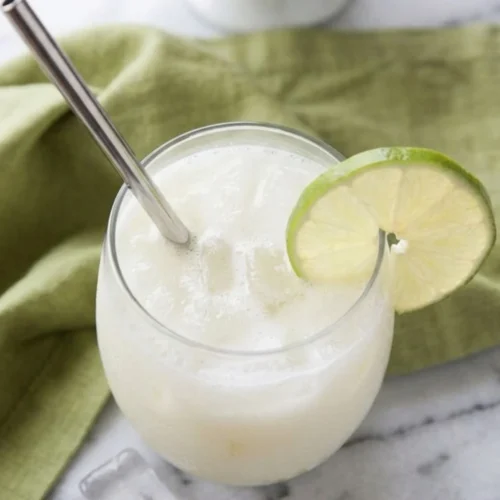
Authentic Brazilian Lemonade Recipe With Limes
Ingredients
- 4 medium thin-skinned Persian limes approx. 240g
- 4 cups filtered ice-cold water 1000g
- 1 can premium sweetened condensed milk 396g
- 4 cups solid ice cubes for serving
Instructions
- Thoroughly scrub the exterior of the 4 limes under cold water with a vegetable brush to remove any residual wax coatings or impurities. Pat completely dry.
- Trim off and discard the dark stem ends and blossom tips of each lime. Cut each fruit lengthwise into 8 uniform wedges, then slice out the white central core tissue from each piece to minimize bitterness.
- Place the prepped lime wedges into a high-powered blender and add the 4 cups of filtered ice-cold water.
- Secure the blender lid tightly and blend on high speed for exactly 15 to 20 seconds until the fruit is broken down but not completely pulverized.
- Pour the mixture immediately through a fine-mesh strainer into a clean pitcher, using a silicone spatula to gently press out all the liquid. Discard the leftover solids immediately.
- Rinse the blender container to remove any remaining pulp bits, then pour the strained lime liquid back into the jar.
- Add the 1 can of sweetened condensed milk to the liquid base.
- Blend on medium-high speed for 10 to 15 seconds until completely smooth, thoroughly emulsified, and frothy.
- Divide the solid ice cubes among 4 pre-chilled glasses, pour the fresh drink over the top, and serve immediately.
Notes
- Bitterness Prevention Rule: The beverage must be served immediately after blending. Any leftovers stored in the refrigerator will turn intensely bitter within 30 to 60 minutes as the microscopic lime particles continue to leach water-soluble limonin compounds into the acid-milk emulsion.
- Emulsion Stability: If the drink sits for more than 10 minutes before serving, the milk fats and citrus juices may begin to separate into layers. Simply stir vigorously with a long bar spoon or give it a quick 3-second pulse in the blender to completely restore the smooth, frothy texture.
- Ice Dilution Control: Always serve over solid, large-cube ice rather than crushed or shaved ice. Crushed ice melts too rapidly, quickly diluting the precise fat-to-acid ratio that creates the signature velvet mouthfeel.